

Gonio-Apsaros Fortress
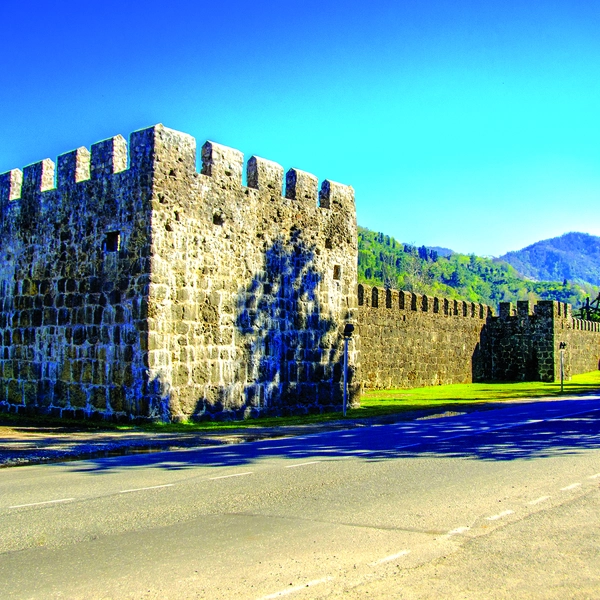
The Gonio-Apsaros Architectural and Archaeological Complex is one of Georgia's oldest and best-preserved Roman defensive fortresses. It is located approximately 12 kilometres from Batumi, in the village of Gonio, on the left bank of the Chorokhi River, near the Black Sea coast. Covering an area of 47,714 square metres (approximately 4.75 hectares), the complex represents one of Adjara's most important cultural heritage sites.
As early as the 13th-8th centuries BC, this area was an important centre for the development of the Colchian Bronze Culture and the early Georgian state formations of Diaokhi and Colkha. During the Hellenistic period, urban life developed actively here, while under the Roman Empire, Apsaros became one of the principal military, commercial, and administrative centres on the eastern coast of the Black Sea. According to the Roman historian Pliny the Elder, the fortress already existed in AD 77, while the writings of Arrian, Procopius of Caesarea, and other historical sources indicate that between the 1st and 3rd centuries AD, it was one of the Roman Empire's most important strategic centres on its eastern frontier.
In the 6th century, Apsaros became one of the Byzantine Empire's important military strongholds. During the 10th century, it was known as Acampsis, and by the end of the 11th century, it became part of the unified Georgian Kingdom, after which the name 'Gonia' became established. After 1204, the fortress came under the administration of the Empire of Trebizond, while between 1547 and 1878 it housed a major Ottoman garrison. Later, the territory became part of the Russian Empire, and following the restoration of Georgia's independence, Gonio-Apsaros was established as a museum-reserve.
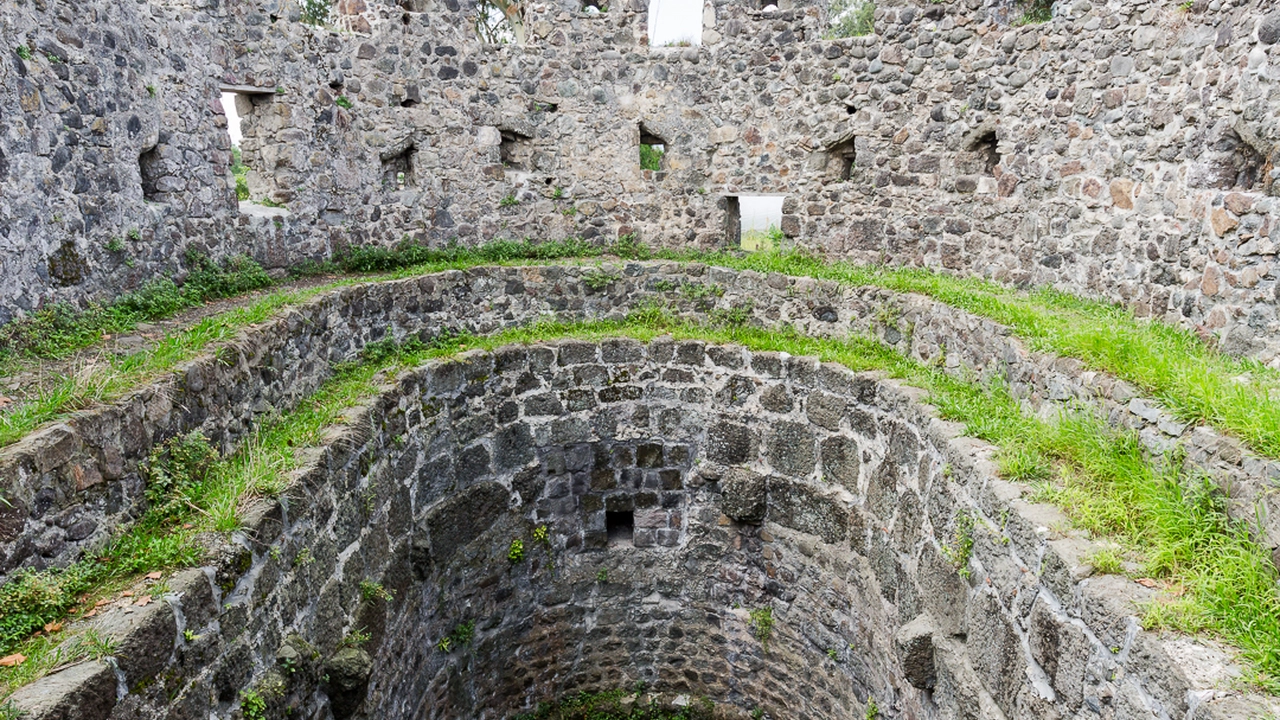
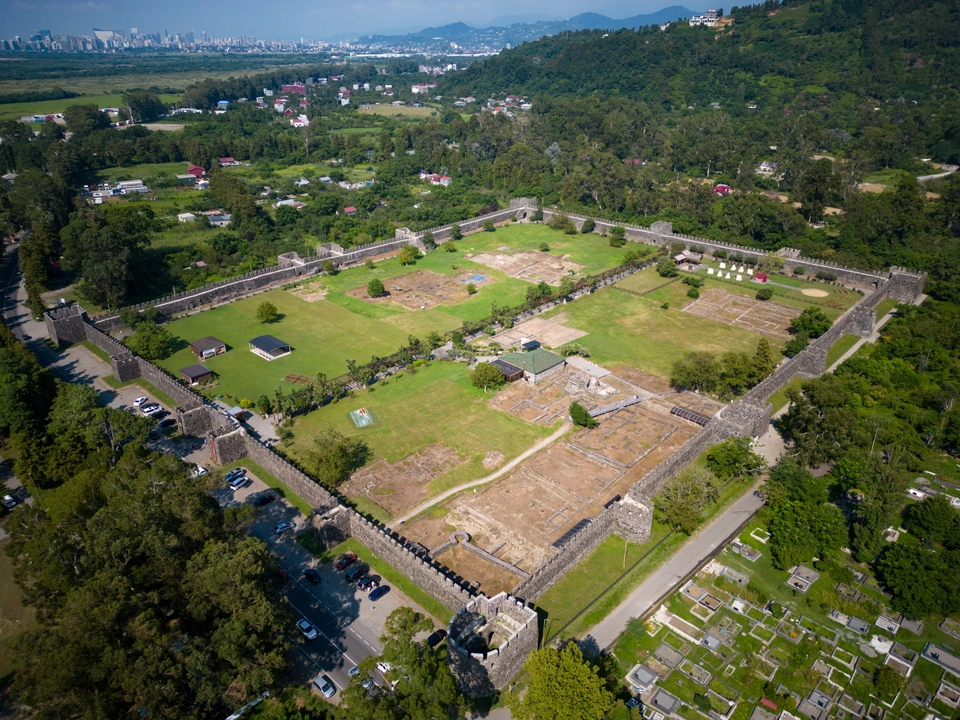
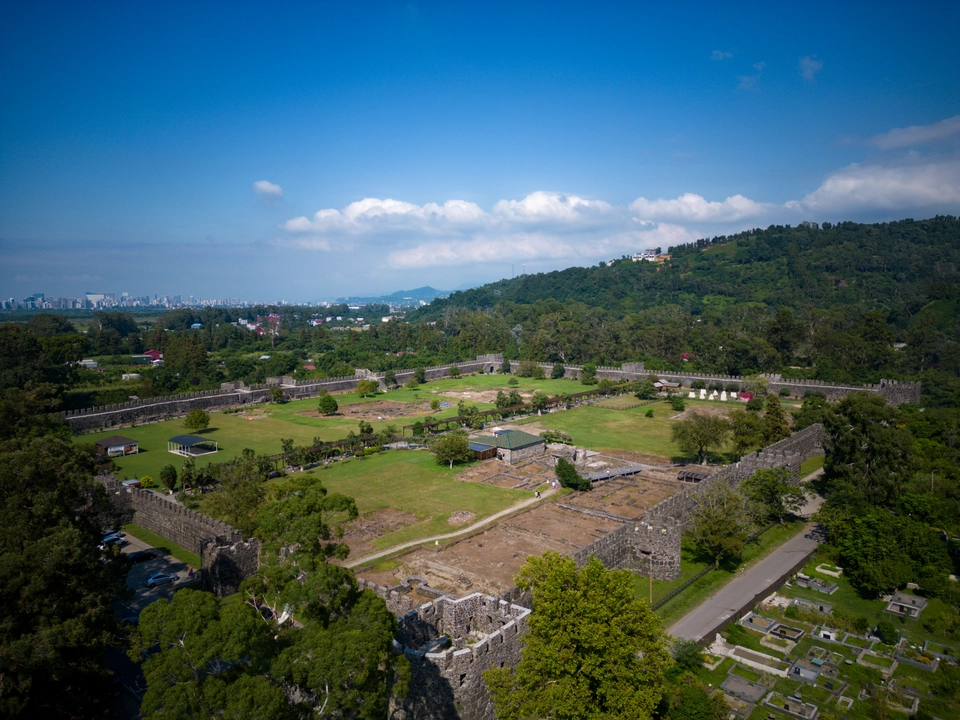
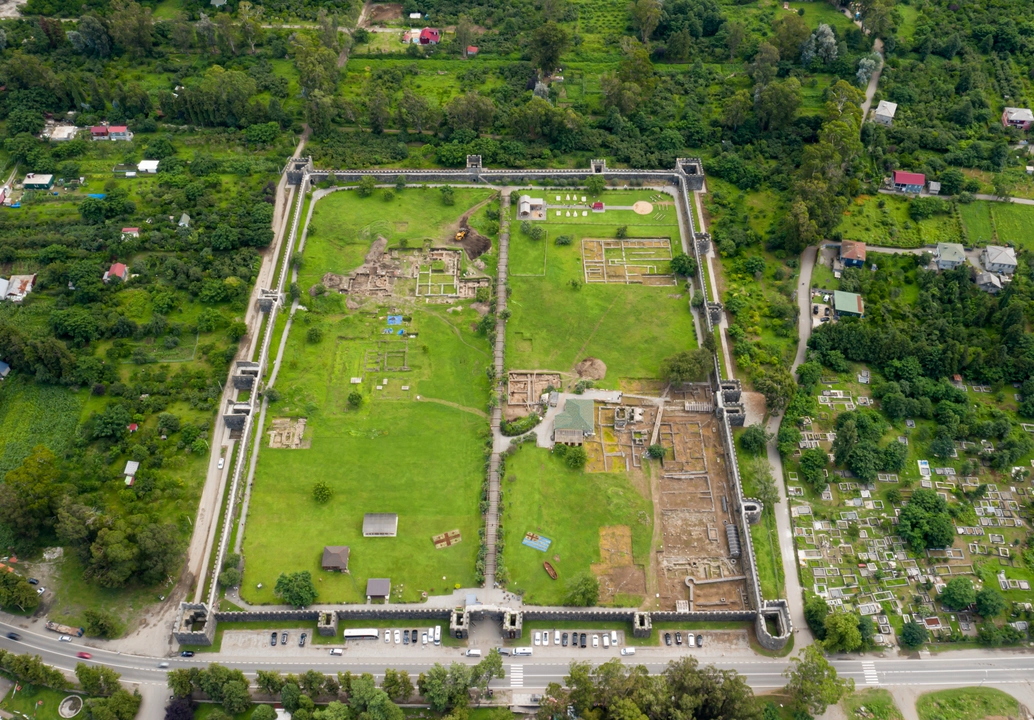
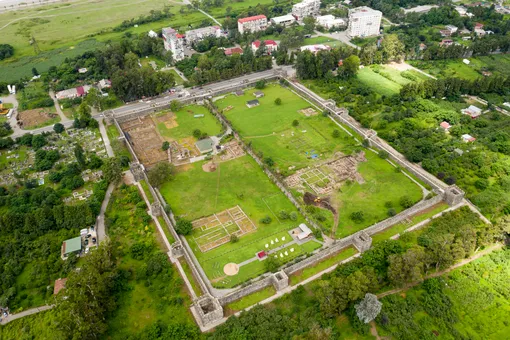
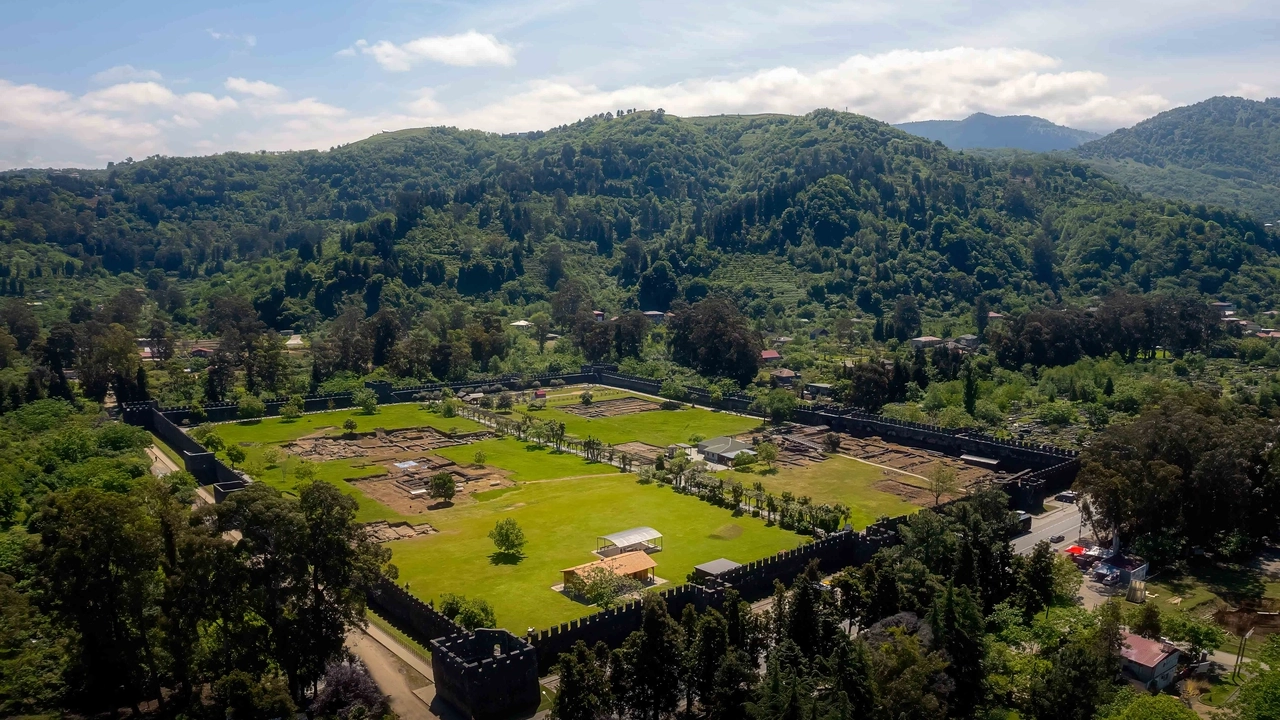
The fortress has a rectangular layout. It measures 222 metres in length and 195 metres in width. The defensive walls reach approximately 5 metres in height, while some of the towers rise to 7 metres. The fortress is protected by 18 defensive towers, including four main corner towers. Archaeological excavations have uncovered the remains of Roman baths, a water supply system, military buildings, residential quarters, streets, a sewage system, and other infrastructure, all reflecting the high level of urban development during the Classical period.
Gonio-Apsaros Fortress is also closely associated with Greek mythology. According to legend, Absyrtus, son of King Aeëtes of Colchis and brother of Medea, was buried here, which is why the fortress was originally known as Apsaros. According to certain ecclesiastical traditions, the site is also believed to contain the burial place of Saint Matthias the Apostle, giving the fortress additional religious significance.
Archaeological research at Gonio has been carried out since the 1960s, while systematic excavations began after the establishment of the museum-reserve and the permanent archaeological expedition in 1994. The oldest archaeological layer discovered to date dates back to the 13th-7th centuries BC, while Colchian burials dating to the 5th century BC have been discovered outside the southern wall of the fortress. In 1974, a remarkable treasure consisting of unique 2nd-3rd-century AD goldsmith's artefacts was discovered near the fortress, illustrating the interaction between the Colchian and Roman cultures.
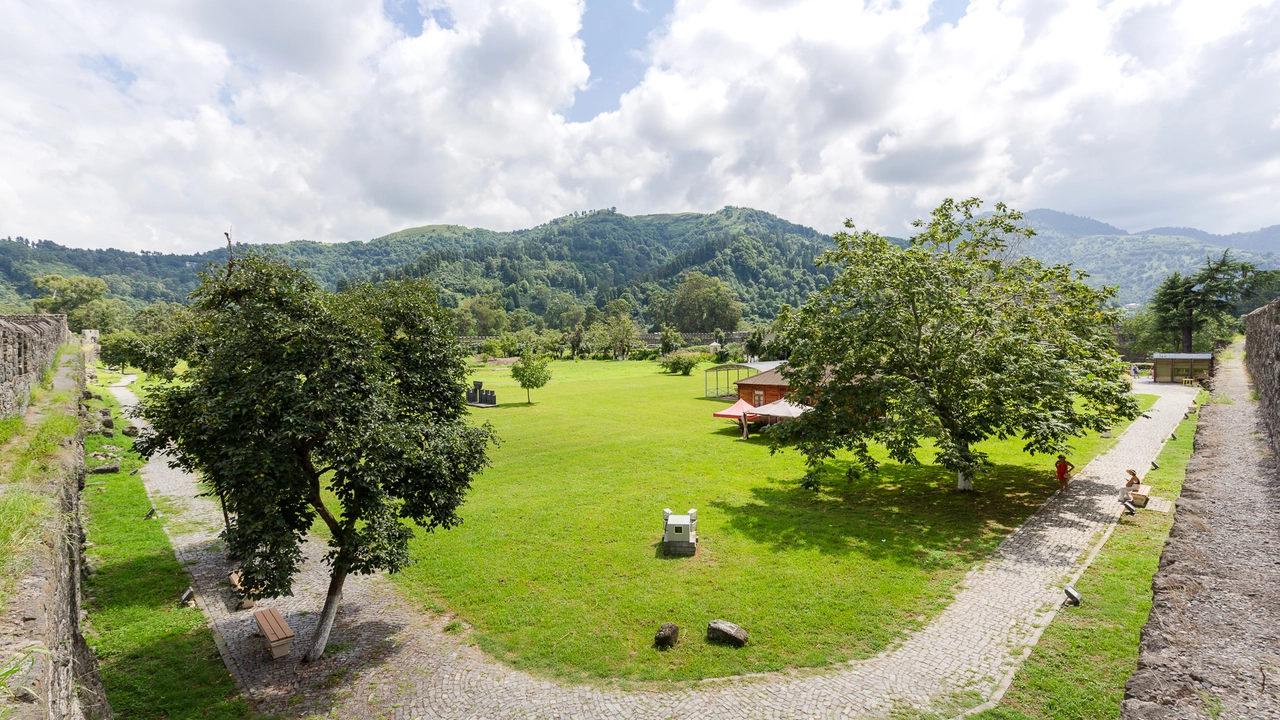
Today, the Gonio-Apsaros Museum-Reserve offers visitors the opportunity to explore the fortress walls, towers, archaeological excavation areas, museum exhibitions, and artefacts reflecting its centuries-old history. Its historical heritage makes Gonio-Apsaros Fortress not only one of Ajara's most significant cultural landmarks but also one of Georgia's most important historical monuments.
For additional and practical information, please visit the website or contact the Tourist Information Center:
📞+995 577 90 90 93
📞+995 577 90 90 91