

Choose Your Harvest
A rich autumn in Ajara is especially distinguished by the diversity of its harvest.

Autumn in Ajara, known locally as Abundant Autumn, is especially notable for its variety of crops. If you're seeking diverse rural experiences, there are few places more captivating than the villages of Ajara during the harvest season. With a range of routes and harvests to choose from, you can personalize your journey. You can expect warm hospitality from the locals, who are always eager to share their wealth of experience.
Grape Harvest in Ajara
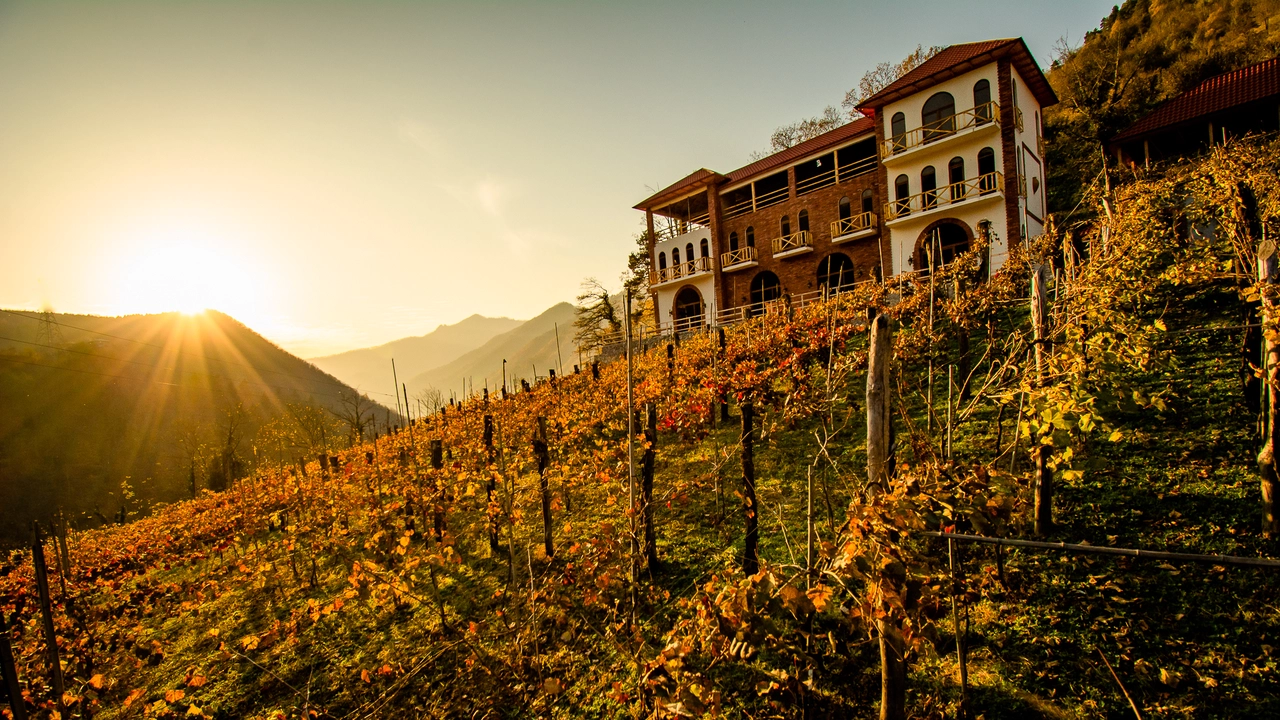
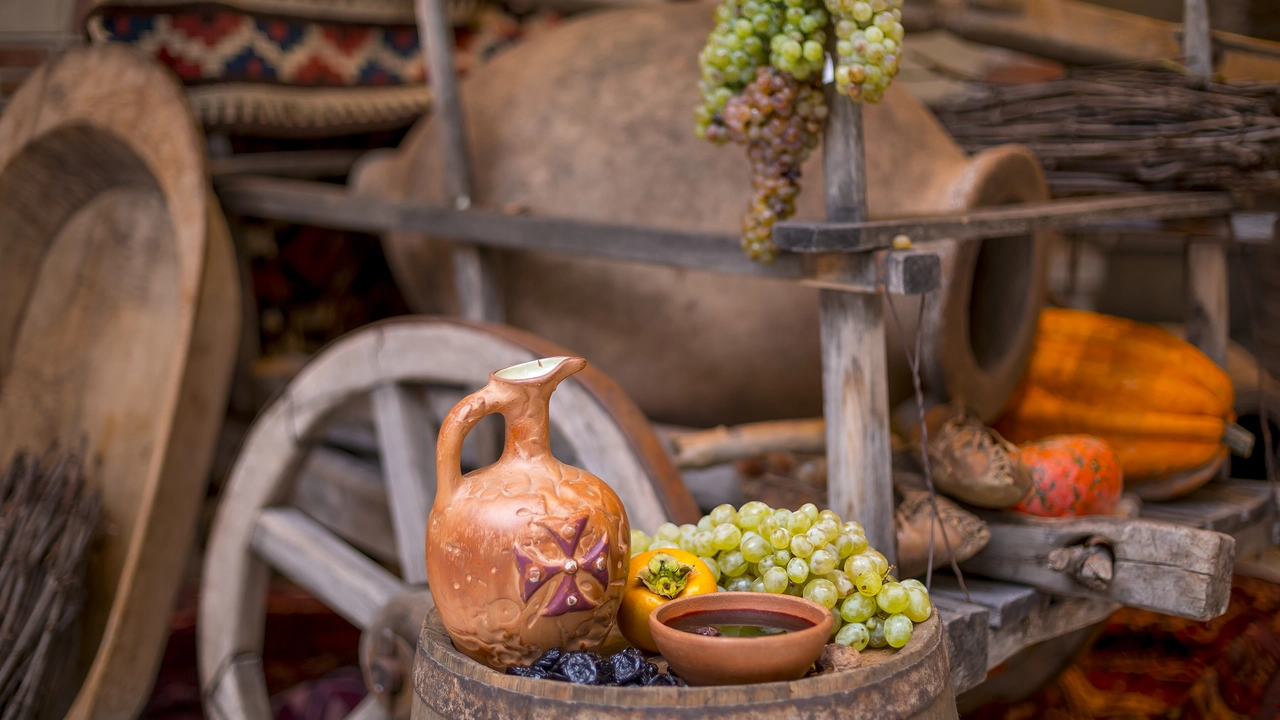
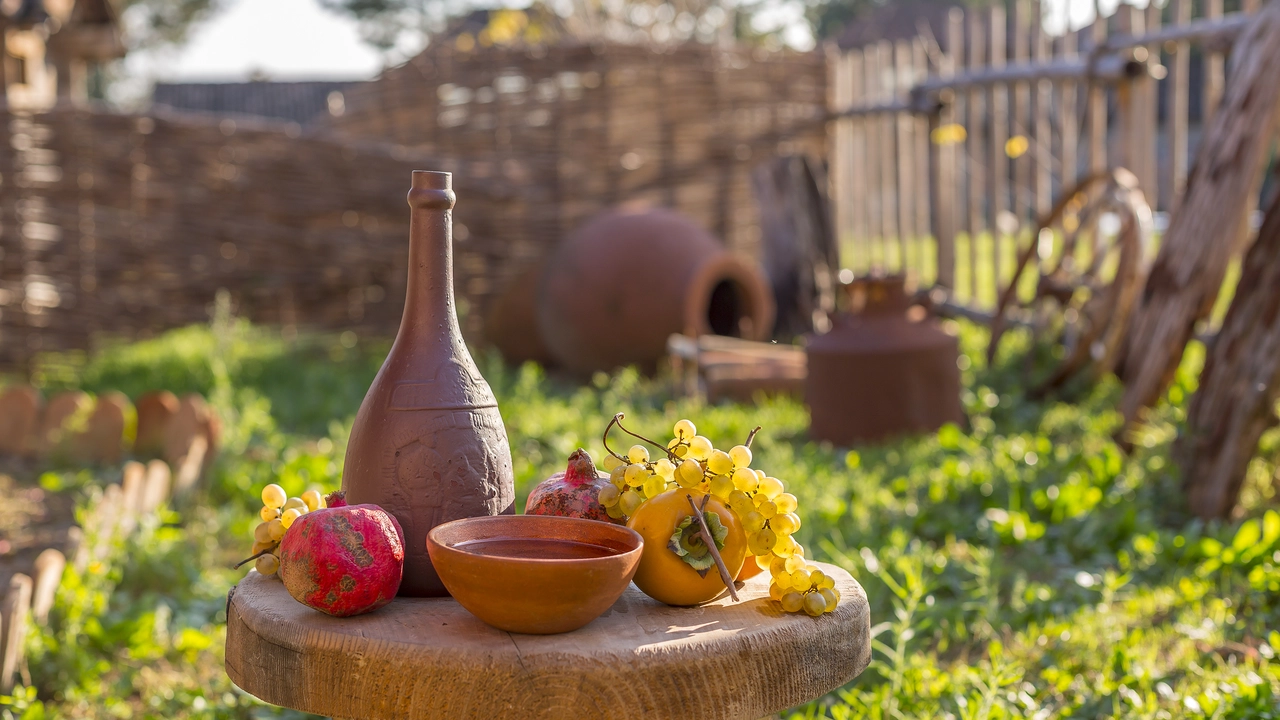
When visiting Georgia, it quickly becomes evident that this country is the birthplace of wine. Ajara stands as one of the oldest viticulture and winemaking centers in western Georgia. Here, you can meet the pergola vineyards at an impressive 1,200 meters above sea level.
Ajara holds a prestigious position in the world of viticulture and winemaking. The region is known for maintaining ancient traditions of vine care and vineyard cultivation. The evidence of viticulture in Ajara dates to antiquity, with a multitude of high-altitude local grape varieties still cultivated today. Ajara boasts more high-altitude grape varieties than any other part of Georgia.
Ethnographic data suggests that Ajara is home to up to 70 varieties of local and imported black-red and white grape vines. Some of these include Kolosha, Chkhaveri, Kharistvala, Tskhenidzudzu, Shavshura, Klarjuli, Khopaturi, Sakmieli, Livanuri, Misketi, Kvabturi, Burdzghla, Tkiskurdzena, Dudgho, Bostnuri, Chitakurdzena, Butko, Takveri, Mekrenchkhi, Turvandi, Chechibera, Chkhushi, Chipakuri, Povnili, Satsuri, Korkauli, Brola, Mtevandidi, Chodi, Matenauri, Meliskuda, Batumura, Ajaruli, Satsuravi, Javakhetura, Orjokhuli, Almura, Tetra Adesa(Isabela), Takidsura, and more.
Highland Ajara, a culturally and historically significant region, traces its viticulture heritage back to the distant geological past. In the village of Dzindze abandoned village (Adigeni municipality) near the Goderdze pass, fossilized remains of a giant wild grapevine trunk were discovered in volcanic rock. According to geologists, these remains are estimated to be 10-15 million years old.
In Ajara, significant efforts are made to preserve and promote old vine varieties, with particular interest in the Chkhaveri variety, which is a distinctive feature of the Kedi municipality. In this region, family-run wine houses in villages such as Saghoreti, Vaio, Varjanisi, and Gegelidzeebi contribute to this endeavor. Here, Tsolikauri wine is produced, bottled, and sold alongside Chkhaveri wine. Both Chkhaveri and Tsolikauri wines enjoy immense popularity among local and international consumers, drawing a steady influx of tourists to Ajara.
Tangerine Harvest - "Mandarinoba"
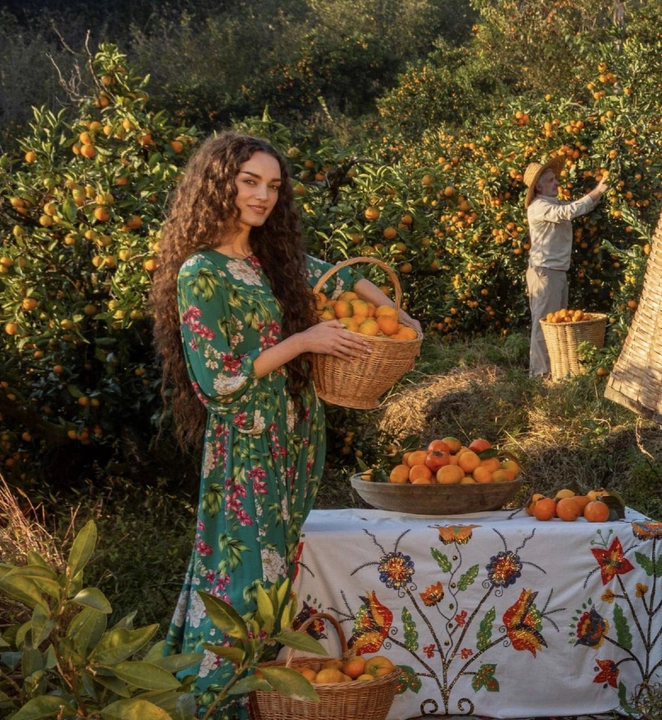
By late November, the tangerine harvest, or "Mandarinoba" begins in Ajara. As the sunny days of vacationing give way to locals engaged in harvest, weather becomes crucial for the success of the season. When the trees lose most of their leaves, the ripe yellow tangerines amidst the greenery create a striking and magical spectacle. The air fills with a unique fragrance of ripe citrus, intertwining with the crisp winter air, creating an intoxicating ambiance.
Citrus picking in Adjara commences in mid-November and lasts at least a month. Almost every family in Ajara has citrus orchards, and locals are always welcome if you wish to join them in the harvest.
Tobacco Harvest
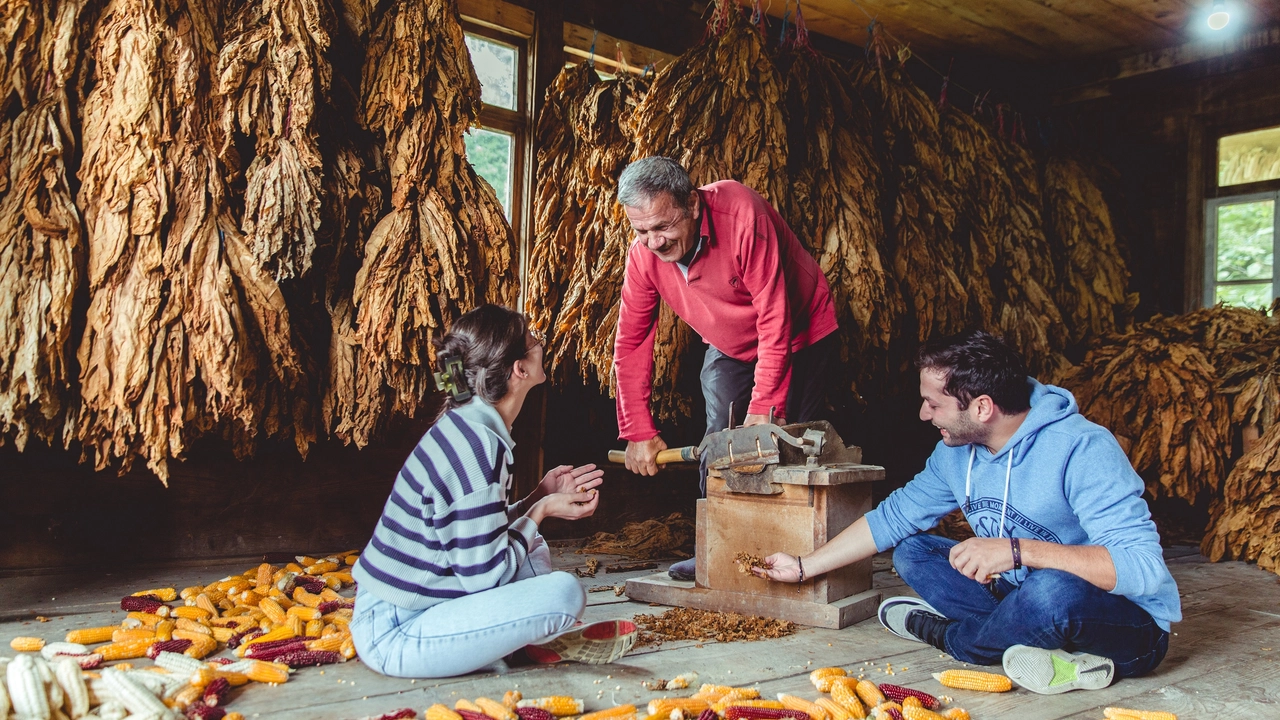
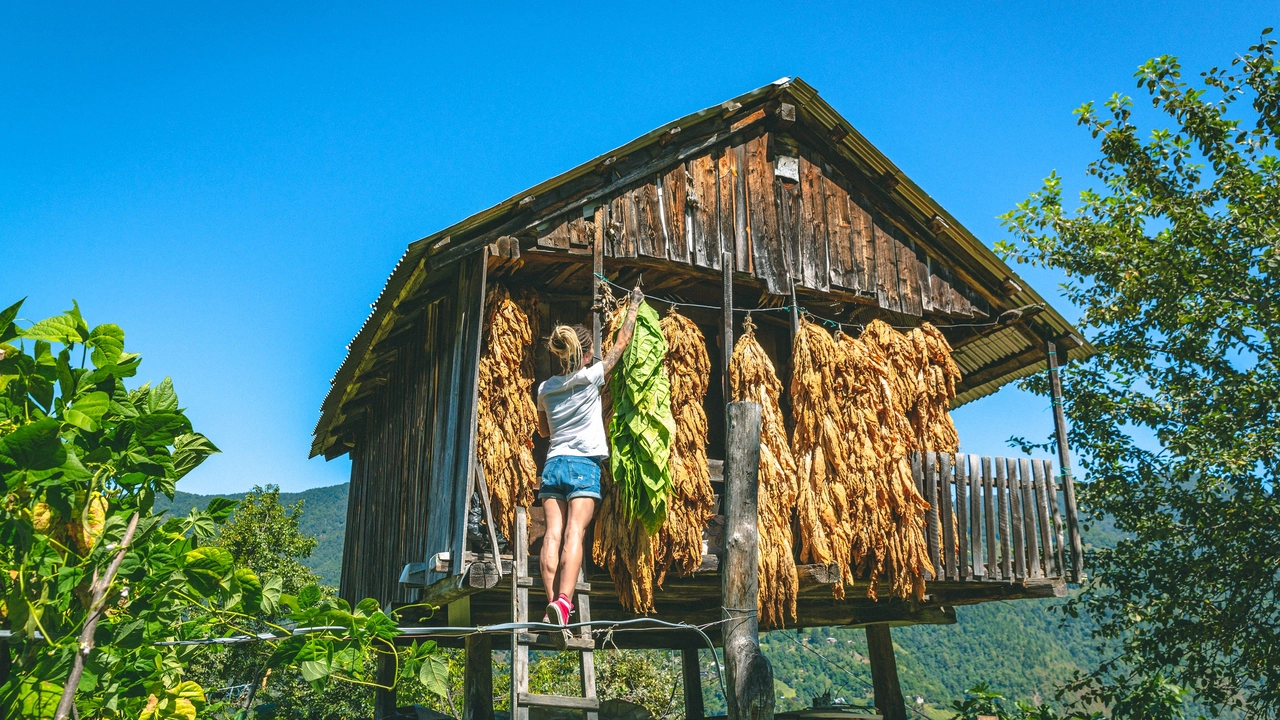
Historically, the tobacco industry thrived in three regions: Ajara, Abkhazia, and Kakheti, particularly Lagodekhi. Today, only Ajara continues the tobacco tradition, with the finest tobacco coming primarily from Shuakhevi and Keda. Descendants proudly perpetuate the legacy of their ancestors, harvesting tobacco five times a year. The leaves are strung onto cords and spread everywhere the sun can reach.
Nadi (Collective labor practice) Tradition
Farm work in Ajara, whether it's plowing, sowing, cultivating crops, or managing other village activities, often exceeds the capabilities of a single family, necessitating the assistance of neighbors. This collective labor practice is known as "Nadi."
Nadi, a form of mutual aid, has been an integral part of the Ajarian work culture since ancient times. During these times, not only neighbors but also close and distant relatives from other villages would be invited to assist. Nadi operates on the principle of reciprocal aid without compensation. Refusing to participate in Nadi is considered a dishonor. Therefore, if you find yourself in Ajara during the harvest and lend a hand, you become part of a venerable tradition. It's worth noting that Ajara is renowned for its variety of folk songs, which are sure to make your work more enjoyable and memorable.